Overthinking isn't the enemy.
If you've searched for how to stop overthinking, you've probably been told to quiet your mind, breathe, or let the thoughts pass. For an analytical mind, that advice rarely holds. In Jungian terms, a mind that keeps circling is usually circling something — an unresolved tension, a pattern, a part of yourself asking to be understood.
MyTemenos takes the opposite approach to the meditation apps: instead of switching the thinking off, it points it somewhere worthwhile — your dreams, your triggers, the symbols you keep returning to — and helps you turn the loop into insight.
Telling fire not to burn.
You've tried meditation. You lasted three days. You've tried Headspace. It felt like putting a band-aid on a volcano. You've tried "just not overthinking" — which is like telling fire not to burn.
The problem isn't that you think too much. It's that every tool you've been given was designed for a quieter mind than yours. Calm backgrounds and breathing exercises weren't built for brains running at this speed.
But what if the speed itself isn't the problem? What if it's just pointed in the wrong direction?
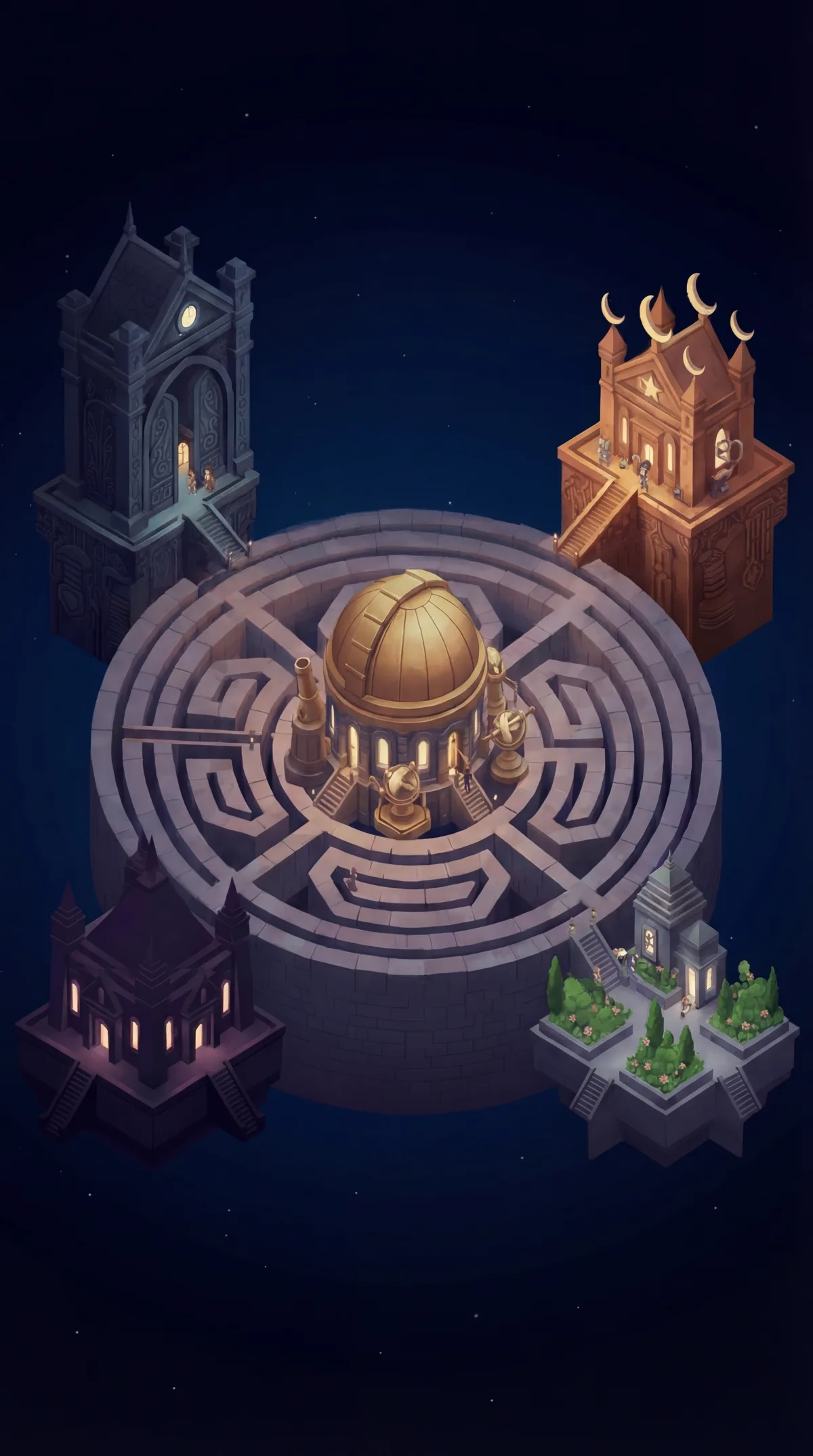
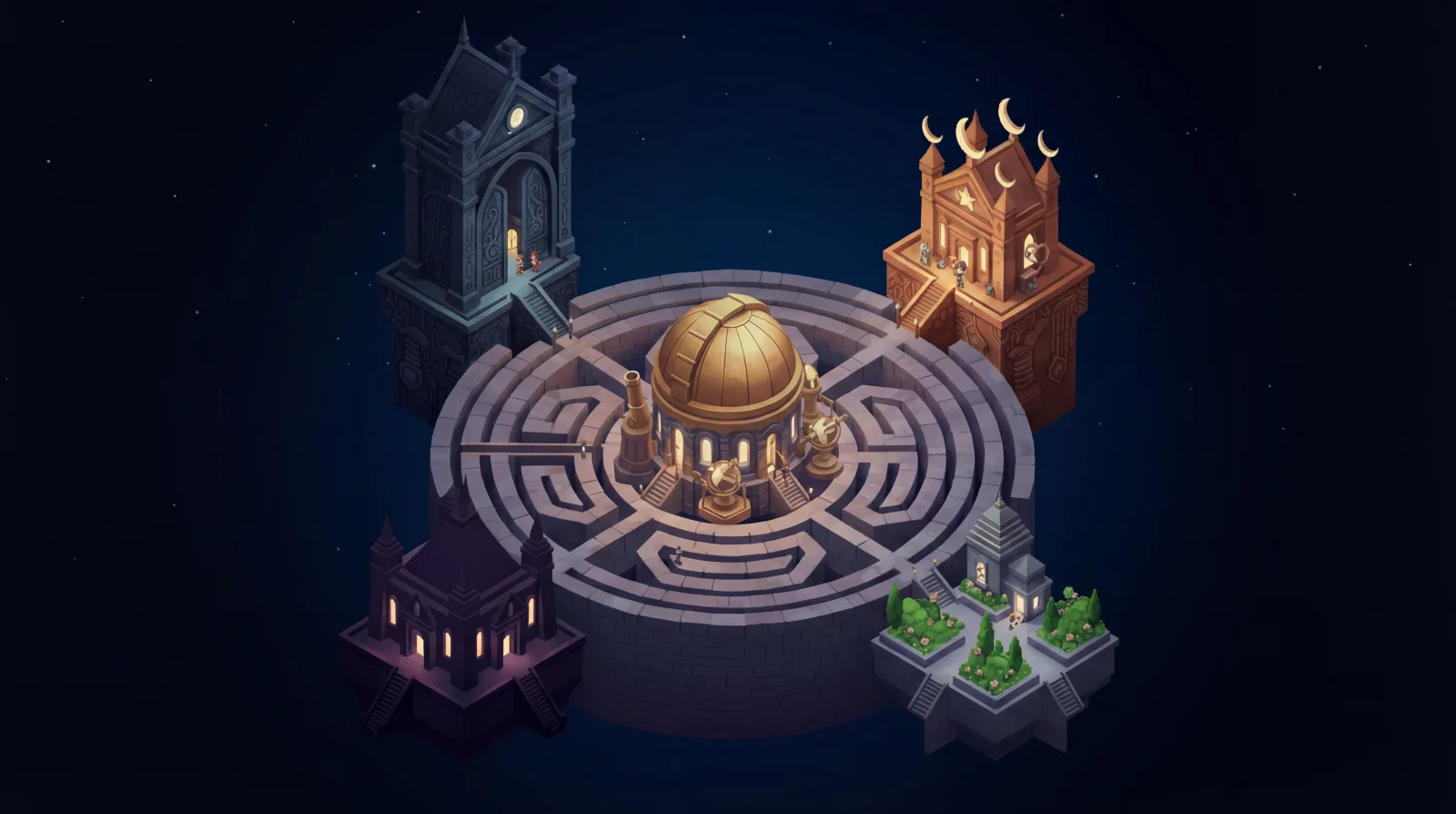
Five rooms. One mind. Each one points the thinking at something worth thinking about.
The anti-meditation app.
Instead of asking you to silence your mind, Temenos gives your mind something worthy to work on: you.
Through Jungian dream analysis, shadow work, and guided self-exploration, Falkor channels your analytical energy into genuine self-understanding. You'll go deep — because that's what your mind was built to do.
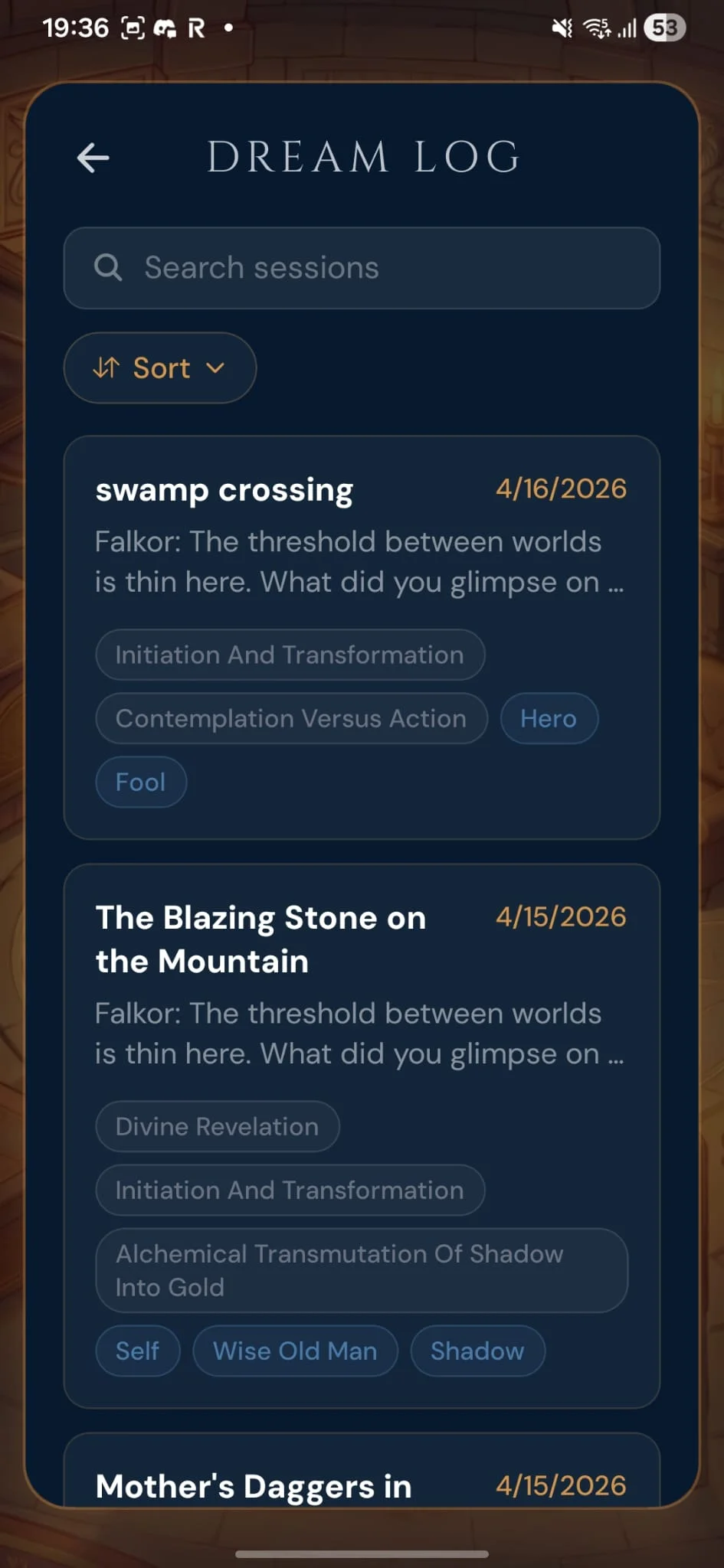
Don't silence the mind. Activate it.
Every meditation app you've tried asked you to do less. To breathe slower. To notice the thought and let it pass. For a mind like yours, that's a cage.
The Mandala Garden goes the other way. You write. You draw. You upload — a poem, a sketch, a song, a photograph, a half-finished painting. Whatever you've been making, or making in your head. Falkor reads it back to you through a Jungian lens — the symbols you didn't know you were using, the motif you keep returning to, the part of yourself the work is trying to name.
The work isn't to quiet the thought. It's to give it form, hand it over, and finally see what it's been pointing at.
Carl Jung drew mandalas every morning for years. Not to escape his thinking. To meet it.
Your thoughts have a pattern. Falkor finds it.
The same loop, dressed in different clothes. The argument with your boss is the argument with your father is the argument you keep losing with yourself.
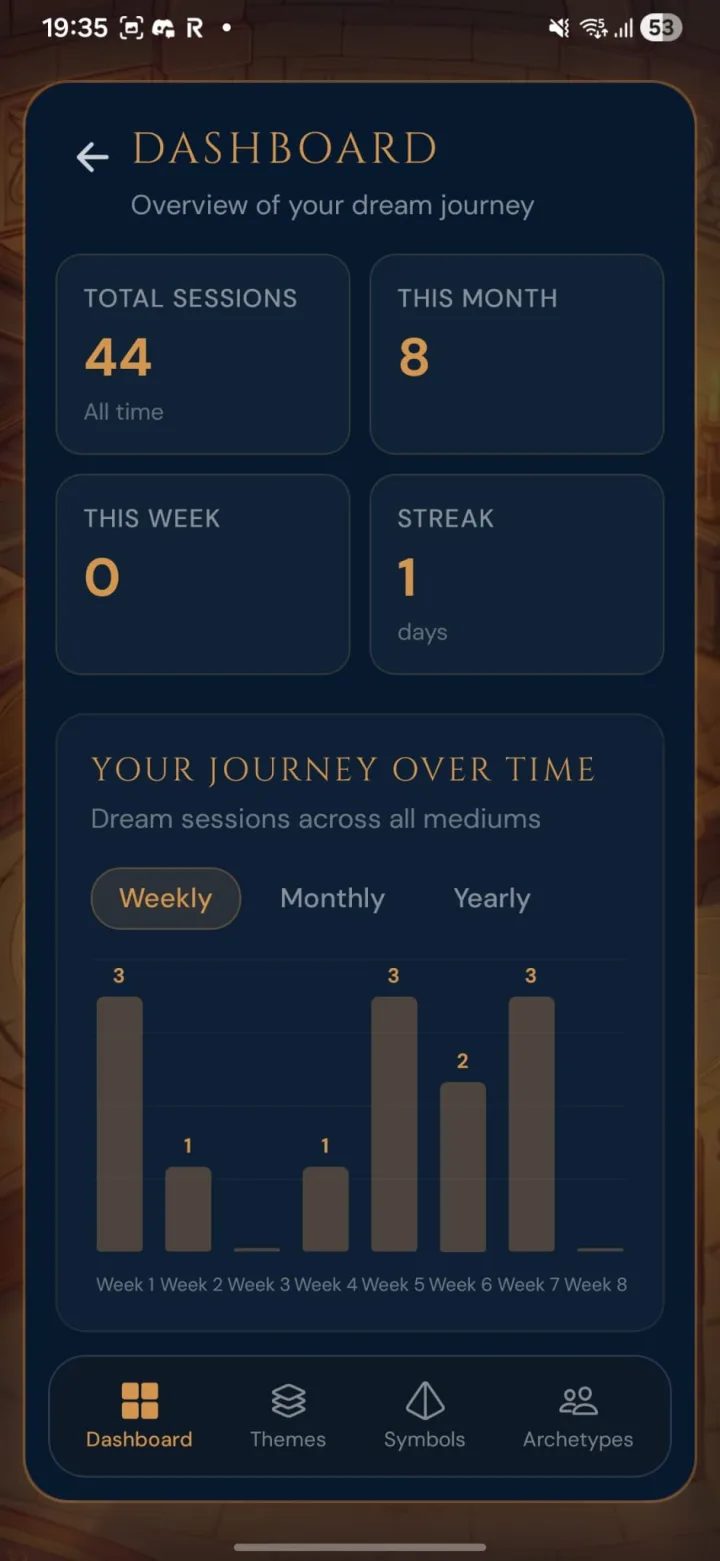
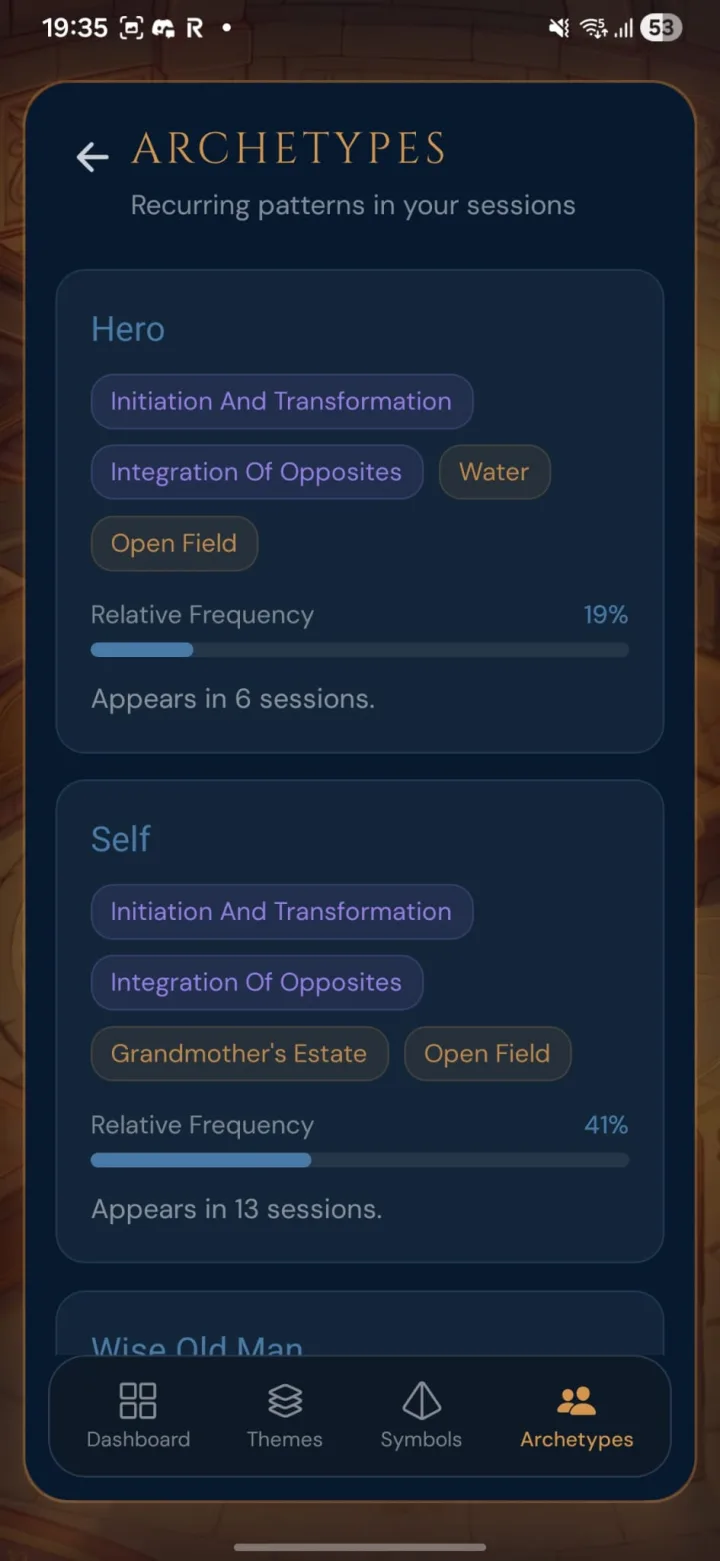
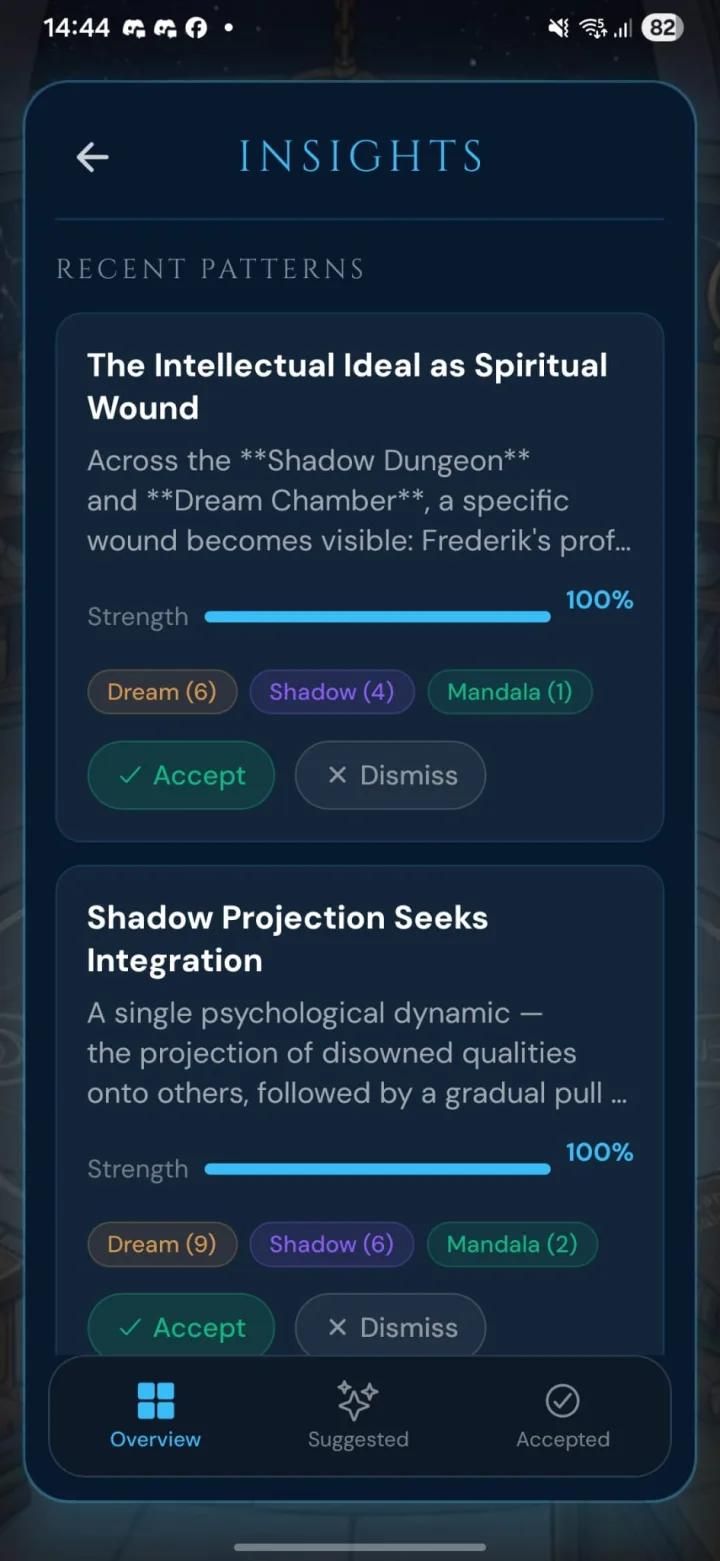
Falkor reads every session and connects them — a theme from a Dream Chamber session shows up again in Shadow Dungeon, again in a Mandala. Each pattern is named, sourced, and strength-rated. That is what your mind has been circling.
The thinking finally points at something. The map of you keeps getting sharper.
From minds like yours.
Your vision will become clear only when you can look into your own heart. Who looks outside, dreams; who looks inside, awakes.